
Chicken Roll Game — Lanes, Cash-Outs and Money Rounds Explained
An independent, plain-English guide to the chicken roll game: what happens in every lane, how the online demo differs from real money rounds, where Chicken Roll 2 changed the maths, and which copies are worth avoiding.
Start with the basicsTable of Contents
Chicken Roll Game Screens You Will Actually See
Lobby, lane view, live multiplier, cash-out button and round history — the screens below cover the chicken roll game online build most players in India open first, plus the reshuffled Chicken Roll 2 layout.

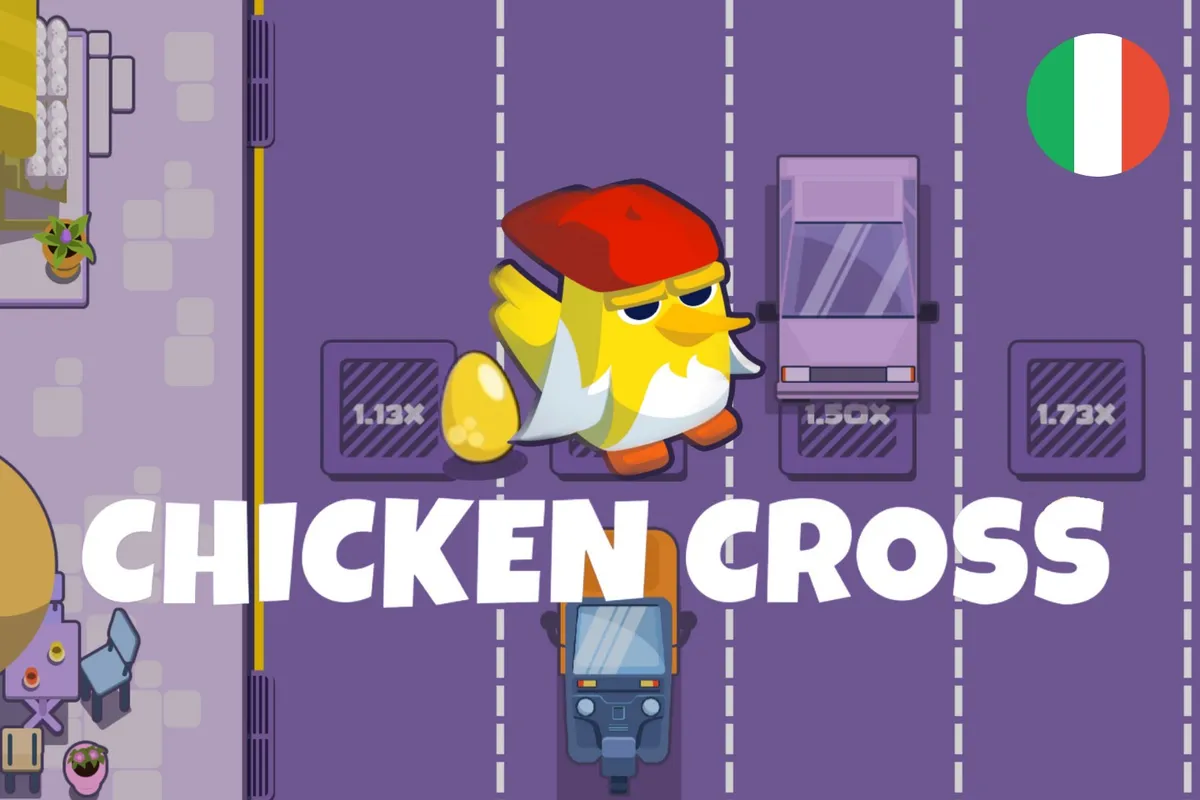

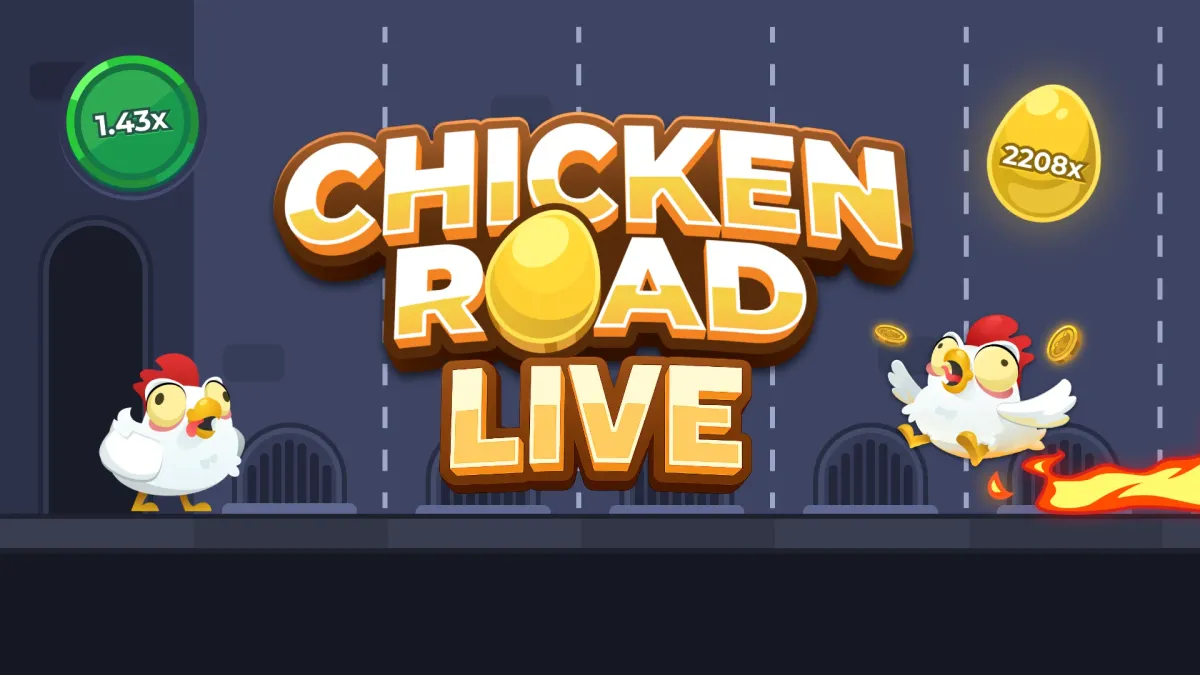
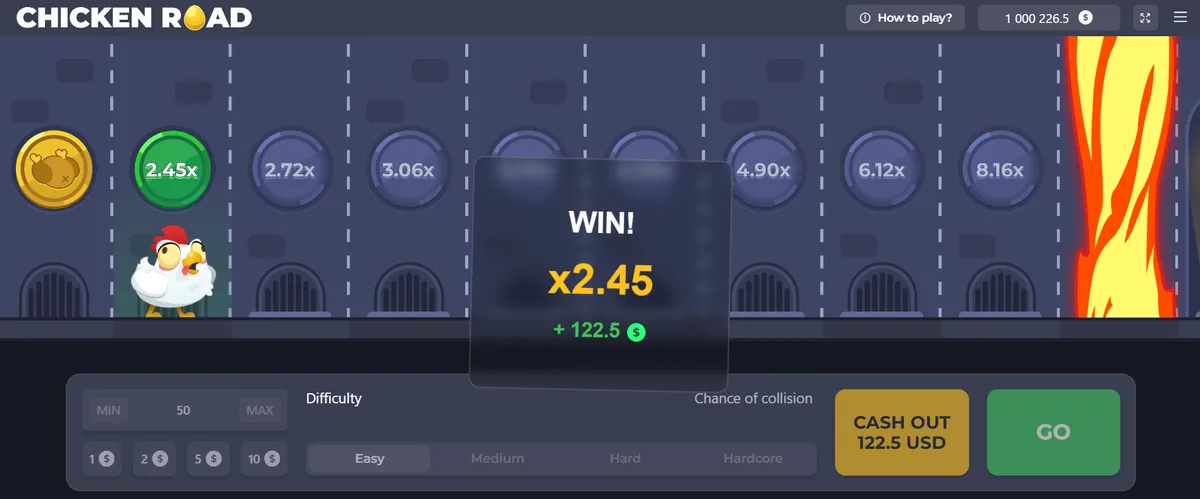
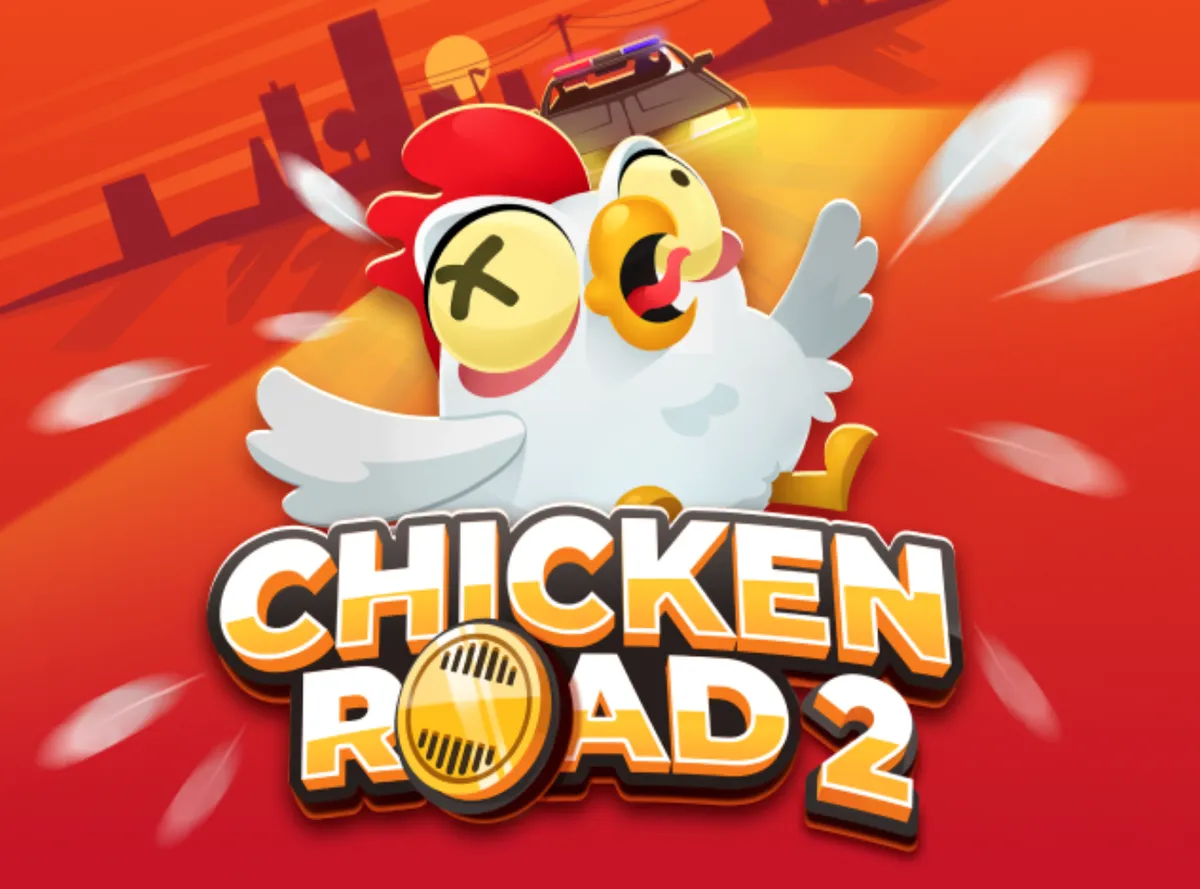


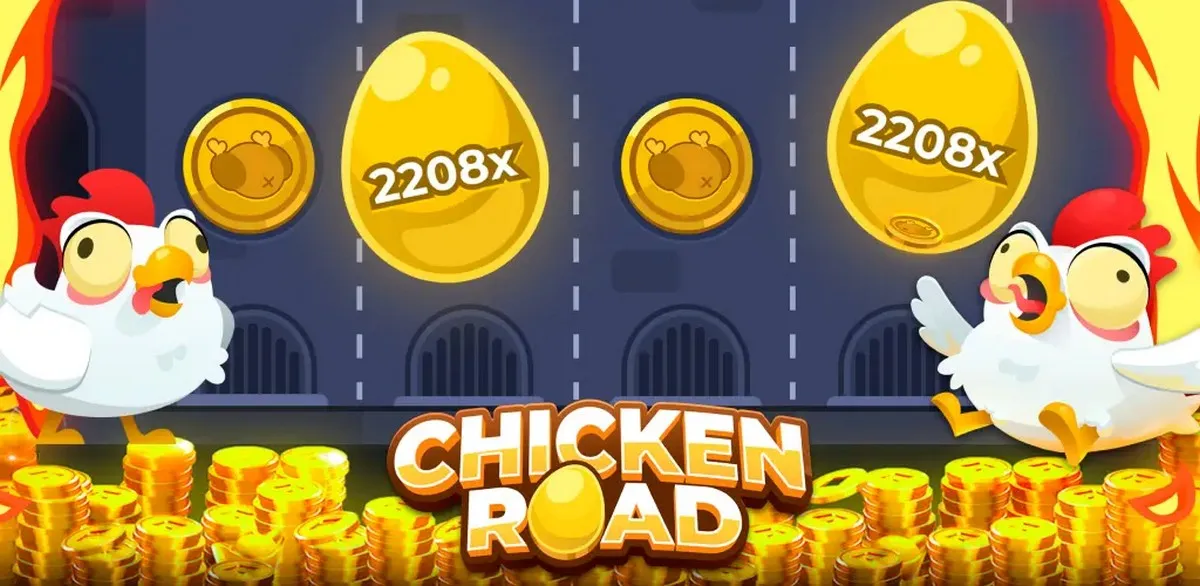
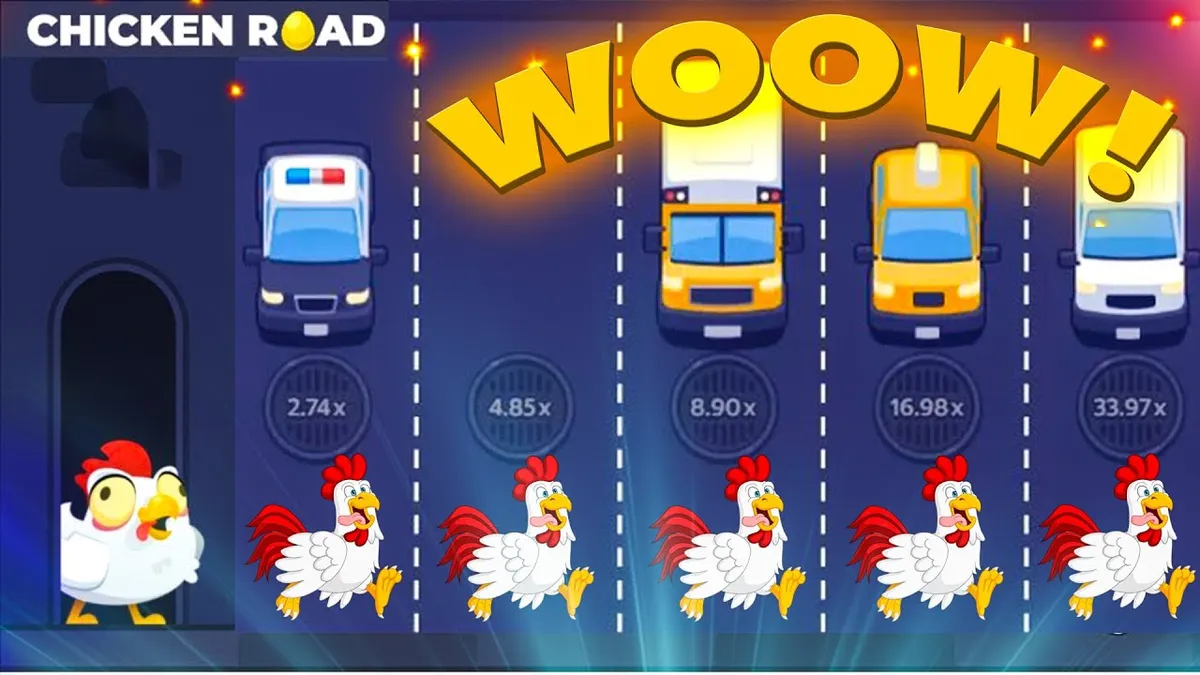
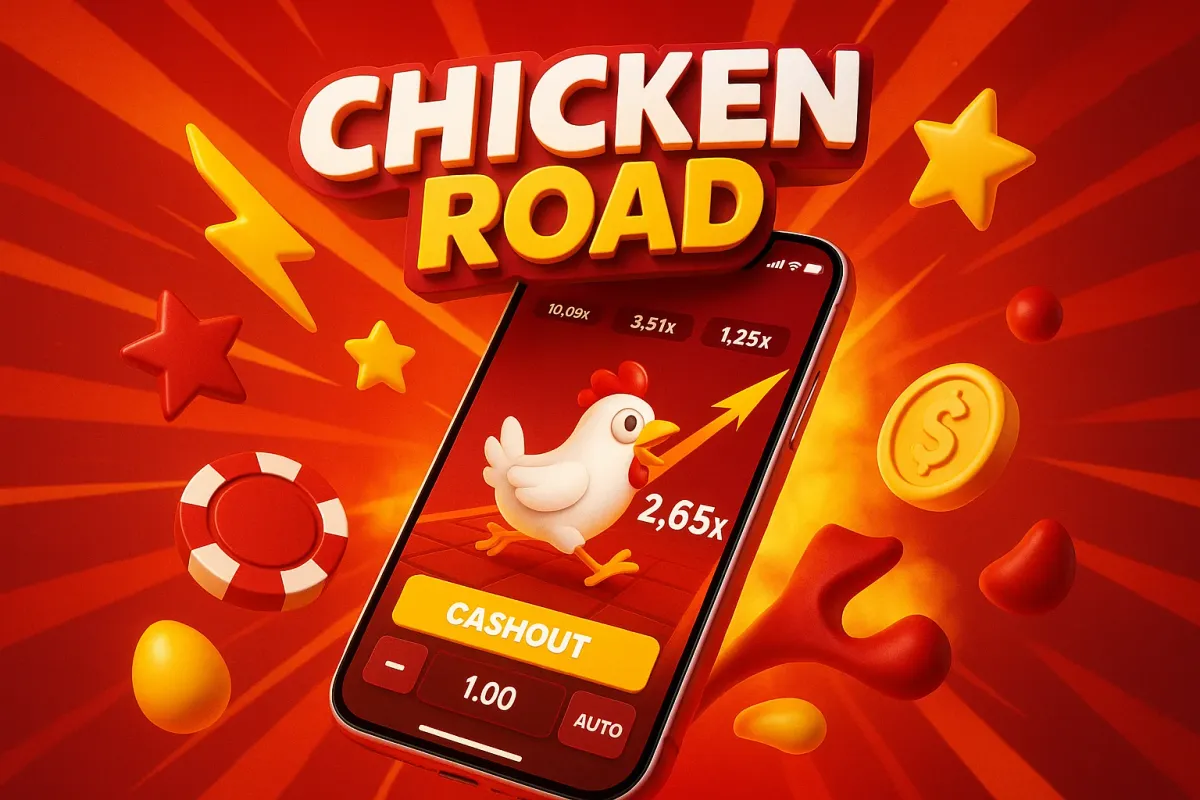
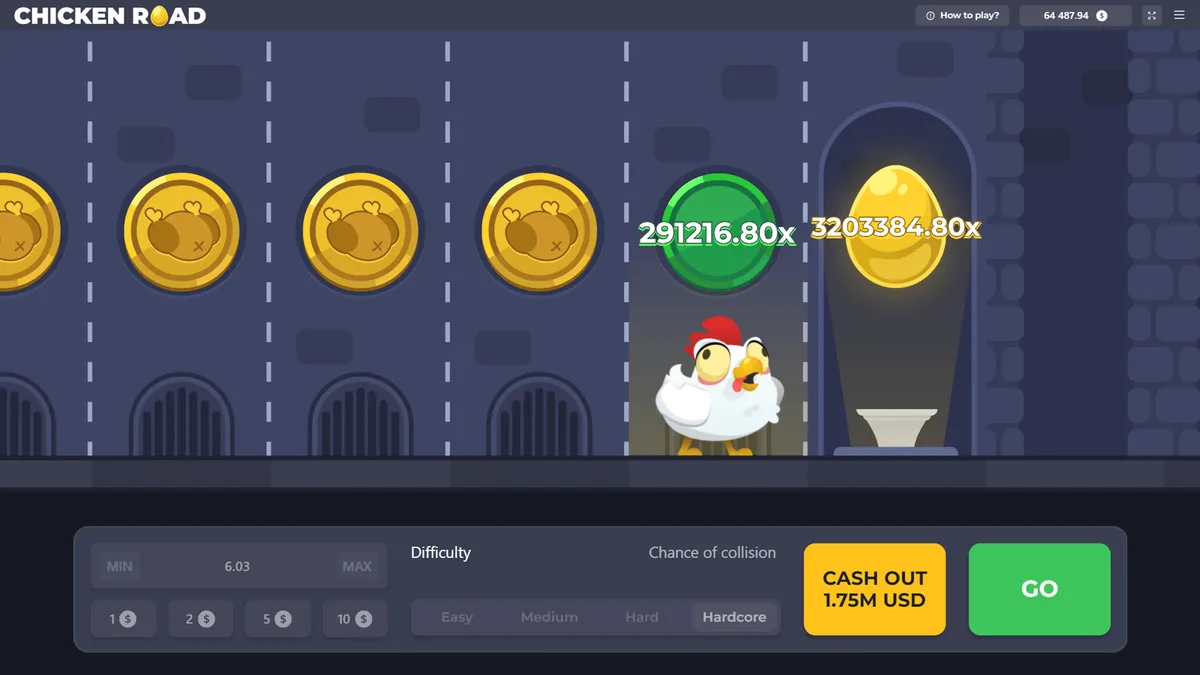
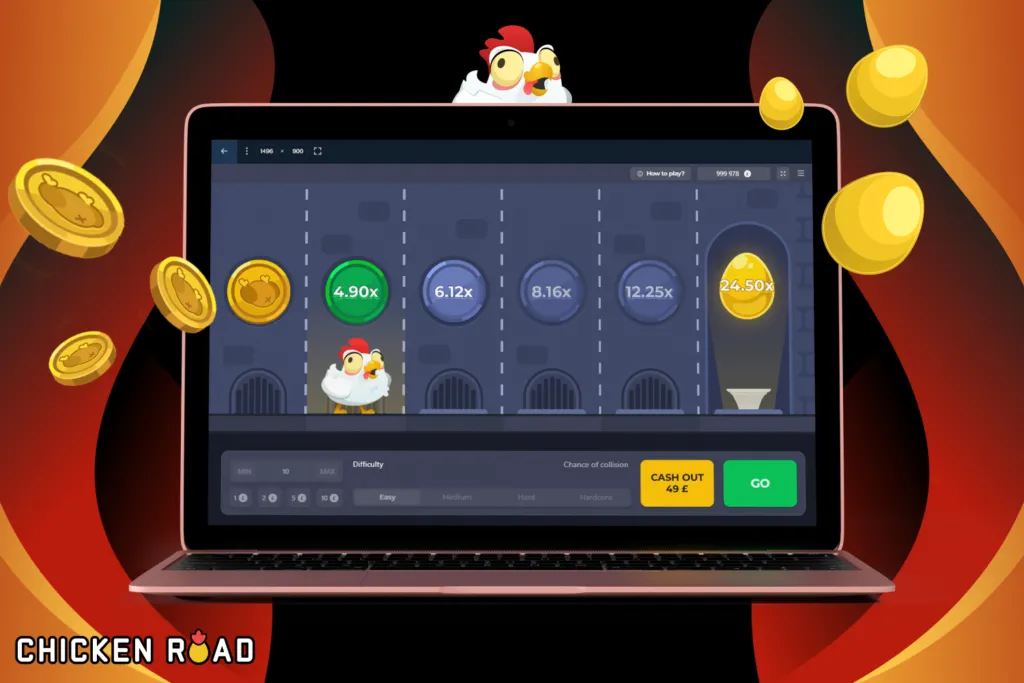

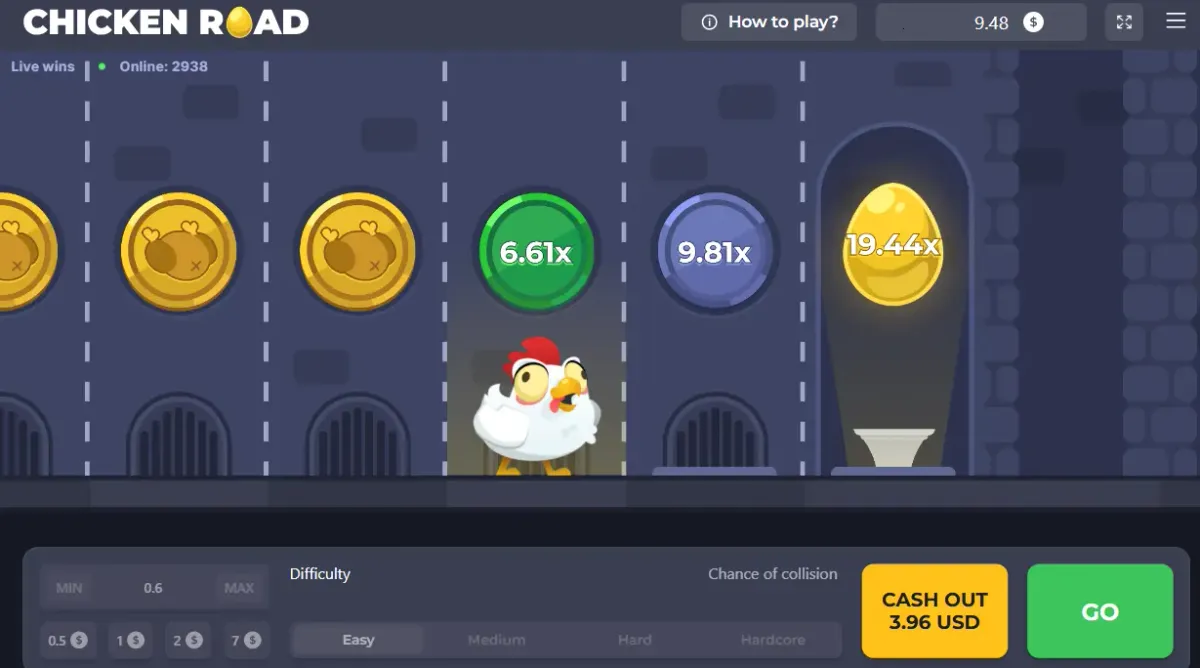

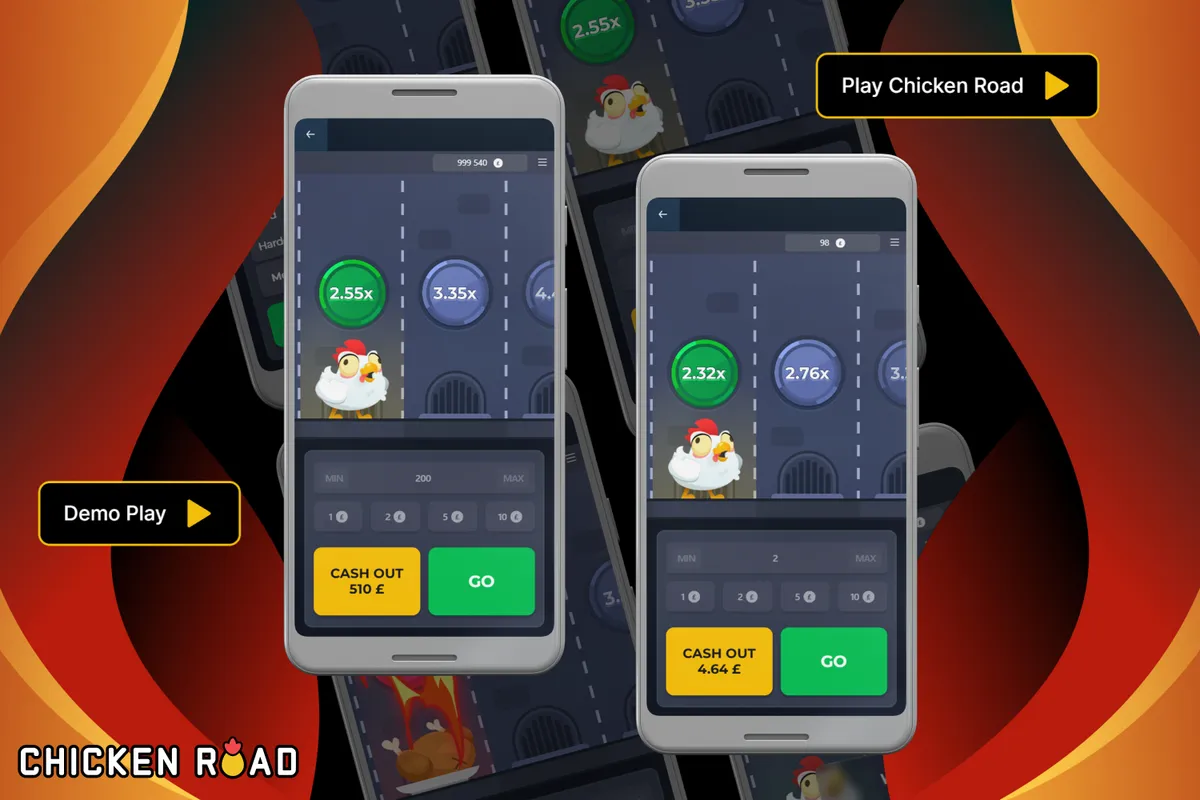

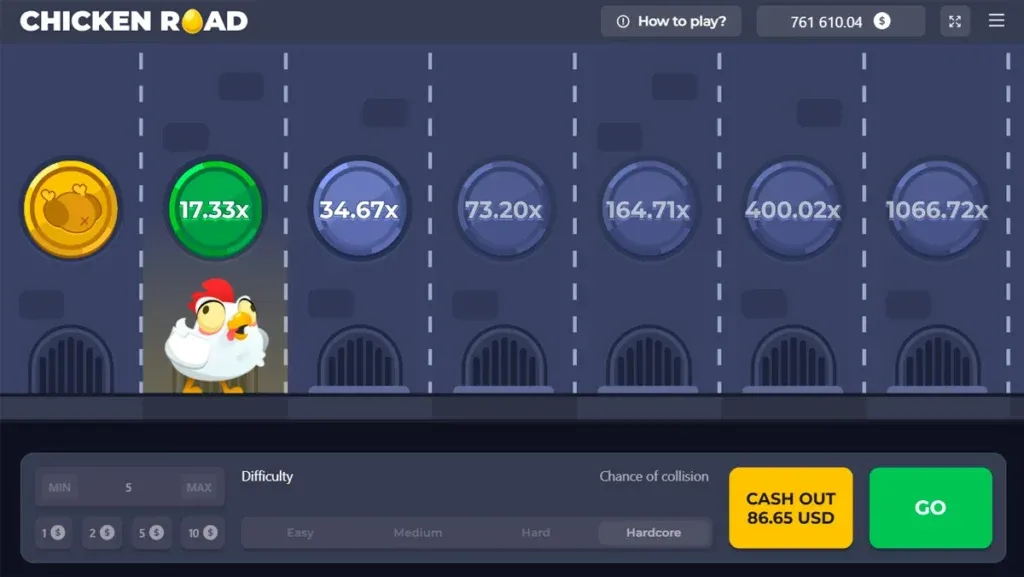





I opened the chicken roll game expecting a two-minute arcade toy. Three hundred rounds later I was still writing down cash-out points. It is a simple game with a very unforgiving middle section — lanes four to six are where most of my sessions ended, and no amount of waiting for a pattern changed that.
How the Chicken Roll Game Reached India
The format did not appear overnight. It grew out of the older chicken road crossing games, picked up a cash-out mechanic somewhere along the way, and only then turned into the paisa wala game people search for today.
01 2022–2023 · Chicken road roots Shipped
The first builds were pure arcade: a chicken, a handful of traffic lanes, no stake and no multiplier. Search interest for the chicken roll game sat in single digits for two full years, because there was nothing to win and nothing to lose.
- Lane-by-lane movement locked in as the core input
- Six-lane road became the informal standard
- No stake selector and no cash-out button yet
02 2024 · The cash-out mechanic arrives Shipped
Studios bolted a rising multiplier onto the same walk. Each safe lane raised the number, one wrong lane ended the round, and the player was handed a single decision to make over and over. This is the version that turned a farmyard toy into a searchable money game.
- Multiplier tied directly to lanes cleared
- Manual cash-out available from the first lane
- Practice demo shipped alongside the paid build
03 2025–2026 · Chicken Roll 2 and 2.0 builds In progress
The sequel builds shortened the comfortable opening, added difficulty presets and moved round history on-screen. It is the same walk with tighter margins, which is why an exit plan carried over from the original tends to be one lane too greedy.
- Difficulty presets from easy through hardcore
- Round history visible without leaving the table
- Early-lane rebalancing still shifting between updates
04 Next · what players keep asking for Requested
The most repeated requests in Indian player groups are boring and sensible: a payout table you can read before staking, one working link instead of a dozen mirrors, and round results anyone can verify after the fact.
- Published payout step for every difficulty preset
- Verifiable round seeds shown after each round
- A single official link, not forwarded mirrors
Demo, Low Stakes and High Roller Rounds
The chicken roll game is the same walk at every level — only the size of the step changes. Here is what each tier actually feels like in practice, and who it suits.

Demo mode
₹0/roundThe free build, and the version most people meet first when they play chicken roll game online. Identical lanes, identical multiplier curve, played with practice credits — so a bad decision costs nothing but a few seconds.
- Full lane layout unlocked from the start
- The only sane place to practise cash-out timing
- No account, no deposit, no card details
Most played
Classic low stake
₹10/roundWhere most paisa wala sessions live. Small enough that a losing streak is survivable, big enough that the cash-out decision finally starts to feel real.
- Short rounds, roughly twenty to forty seconds each
- Early exits on lanes two and three stay affordable
- Session limit decided before the first round
- The easiest tier to log and review honestly
High roller
₹100/roundThe same six lanes with a far steeper cost per mistake. The variance does not change at this tier — only your tolerance for it does.
- One bad lane erases several clean rounds
- Needs a fixed stop-loss written down first
- Not the tier to learn the game on
- Worth skipping until the demo feels boring
What Players Say About the Chicken Roll Game
Four takes from streamers and long-session players, collected for balance rather than as a recommendation to play.
The chicken roll game reads as a joke until you watch the multiplier climb. It is a cash-out game wearing a farmyard costume, and the honest version of that is fine by me.
I ran the high roller tier for an hour. The lanes are consistent and the losses are fast. Anyone telling you there is a pattern in lane five is selling something.
Good demo, clumsy links. Finding a chicken roll game download that was not a repackaged copy took me longer than learning the game itself.
Chicken Roll 2 is the better build. The on-screen history alone stops you lying to yourself about how the last ten rounds actually went.
How the Chicken Roll Game Works
Four moves, in order. Everything else — bonus talk, hack videos, lucky-lane theories — is stacked on top of these four and changes none of them.
Set the stake before the first lane
The stake is locked for the whole round, so it is the only decision you make with a clear head. Pick the number in demo mode, then carry the same number into a real round instead of choosing it while the multiplier is already moving. A useful test: if losing that amount twice in a row would change your evening, it is the wrong stake.
Cross one lane at a time
Each cleared lane lifts the multiplier by a fixed step. There is no skip, no shortcut and no lane that is safe by design.
Cash out on purpose
The button is live from lane one. Deciding your exit lane before the round starts is the only genuine skill this game contains.
Read the history, not the pattern
Round history tells you how you played, not what is coming next. Every lane is resolved independently of the last one, so a run of clean rounds owes you nothing and a run of bad ones is not "due" to turn. That single misunderstanding is the most expensive thing in the chicken roll game, and it is the reason most long sessions end worse than they started.
A Farmyard Skin on a Cash-Out Game
Strip away the chicken and the traffic and the game is one decision repeated: continue for a bigger number, or take what you already have. The chicken walks, the multiplier climbs, and the round ends the moment you either cash out or pick the wrong lane. Nothing in between is negotiable.
That simplicity is also why the game is so easy to misrepresent. Titles like 777 chicken roll, lucky chicken roll or murgi wala game usually point at the same handful of builds in a different wrapper, with the artwork copied and the payout steps quietly edited. This site tracks what each build actually does, in one place, without pretending any of it can be predicted.
Three Checks Worth Making Before You Play
A short list, run in this order. It filters out most of the fake chicken roll game copies currently doing the rounds in group chats.
Does the demo run without an account? A build that asks for a deposit before showing you a single lane is not offering a demo — it is offering a queue for your money.
Is the payout step written down? Honest builds state exactly what each cleared lane adds to the multiplier. Vague "win up to" banners with no table behind them are a warning, not a feature.
Where did the link come from? Forwarded install files are the main source of fake apps, so read the chicken roll game download notes before you tap anything.
Chicken Roll 2.0 Rebalance Tracker
The 2.0 builds are still shifting between updates. This counter marks our next scheduled re-check of lane pacing, difficulty presets and payout steps across every version in circulation.
FAQ
It is a single-round cash-out game with a farmyard skin. A chicken crosses a road of roughly six lanes; every lane cleared raises your multiplier, and one wrong lane ends the round with nothing. You choose when to stop, and that choice is the entire game — there is no board to read, no opponent and no skill ceiling beyond your own discipline. Most people play it online in a browser; the installed apps run the same rounds.
Open the demo, set the smallest stake available, and decide before the round starts which lane you will cash out on — lane two or three is a sensible first target. Play twenty rounds sticking to that exit even when it feels early, then look at the result. That one exercise teaches more about the chicken roll game than any strategy video, because it shows you how often the greedy lane would have cost you the round.
Both exist. The mechanic itself is real and runs on the same lane-and-multiplier engine across builds. The fakes are the repackaged apps and forwarded links that copy the artwork and change the payouts underneath. Three signs of a legitimate build: a demo that opens without an account, a written payout step for each lane, and a link you found yourself rather than one that arrived in a group chat.
The sequel keeps the lane structure but shortens the comfortable opening, adds selectable difficulty and shows round history on screen. In practice, cash-outs that felt safe in the original arrive later in Chicken Roll 2, so a plan carried across from version one is usually one lane too greedy. Check which build you are in before reusing an exit point.
Start with our chicken roll game download and apk guide, which covers the difference between the browser build and an installed app, what a legitimate install actually asks for, and the permission requests that mark a fake. One thing worth repeating: no version, mod or hack improves your odds, so anything advertised that way is either a scam or malware wearing a chicken costume.